
Product Introduction
Furnace Oil
Furnace oil is a fuel oil suitable for industrial kilns, mainly used as fuel in machinery factories for melting iron, aluminum factories for melting aluminum, and in the production of road asphalt materials.
Composition Information
It consists of industrial heavy oil, solvent oil, and X oil (coal tar). It is made by mixing, blending, and decolorizing two or more of these components.
Hazard Overview
- Routes of ExposureInhalation, ingestion, and skin absorption.
- Health HazardsIt has an irritating effect on the respiratory tract and an anesthetic effect. Absorption through the skin or mouth can cause poisoning; toxic gases are produced during combustion.
First-Aid Measures
- Skin ContactRemove contaminated clothing, immediately rinse the affected area with a large amount of flowing water for at least 15 minutes, and seek medical attention.
- Eye ContactImmediately open the upper and lower eyelids, rinse with clean water or normal saline for 15 minutes, and seek medical attention.
- IngestionDrink a sufficient amount of warm water to induce vomiting, and seek medical attention.
Fire-Fighting Measures
- Combustion Products: CO (carbon monoxide) [Note: The original text writes "CO、CO" which is likely a typo; the correct main carbon-containing combustion product of such oil fuels is carbon monoxide (CO)].
- Extinguishing AgentsCarbon dioxide, water mist, and sand.
Emergency Response to Leakage
Cut off the source of ignition, evacuate personnel from the contaminated area, and strictly restrict access. Cut off the leakage source as much as possible to prevent the oil from entering waterways, flood ditches, and other restricted spaces.
- Small-Scale LeakageCollect the leaked liquid in a sealed container as much as possible, and clean the ground with sawdust.
- Large-Scale LeakageBuild dikes or dig pits to contain the leakage. Use explosion-proof pumps to transfer the oil to tank trucks or special collectors for recycling or transportation to waste disposal sites for treatment.
Packaging and Transportation
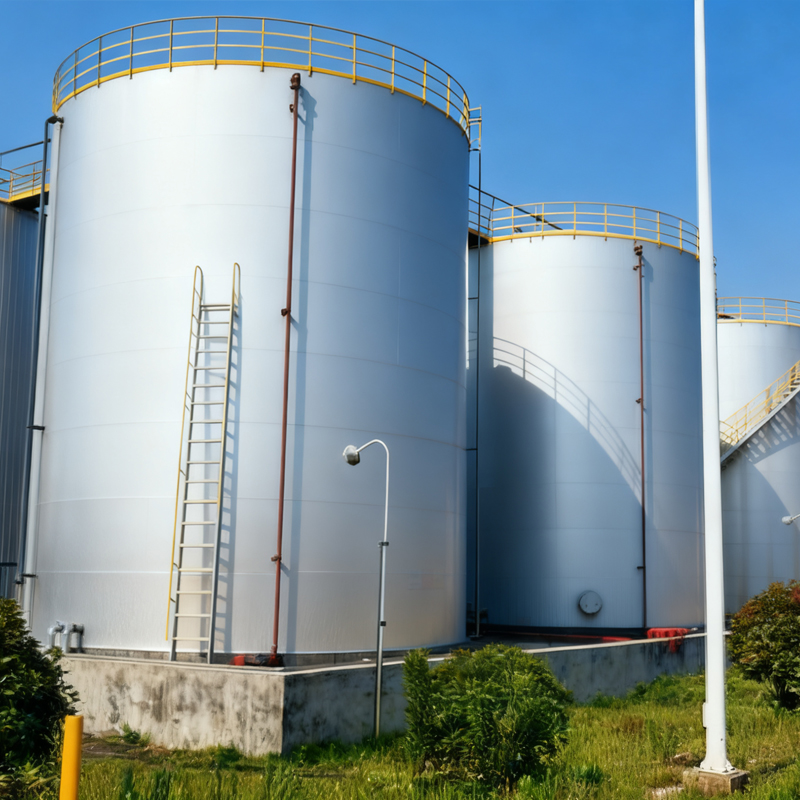
It is stored in storage tanks and transported by tank trucks. Tank trucks must travel along designated routes and must not stop in residential areas or densely populated areas.
| Main Technical Indicators | |||
|---|---|---|---|
| Item | Unit | Quality Index | Test Method |
| Moisture | I'm sorry, but it seems that there is no source text provided for translation. Please provide the text you would like me to translate, and I'll be happy to assist you. | ≤0.3 | GB/T260 |
| Residue Carbon Content | I'm sorry, but it seems that there is no source text provided for translation. Please provide the text you would like me to translate. | ≤0.5 | GB/T268 |
| Viscosity (25℃) | mPa·s | ≤100 | GB/T265 |
| Sulfur Content | I'm sorry, but it seems that there is no source text provided for translation. Please provide the text you would like me to translate. | ≤0.5 | GB/T380 |
| Mechanical Impurities | I'm sorry, but it seems that there is no source text provided for translation. Please provide the text you would like me to translate, and I'll be happy to assist you! | ≤0.2 | GB/T511 |
| Density (20℃) | mg/L | ≤1.04 | GB/T1884 |
| Flash Point (Closed Cup) | ℃ | ≥40 | GB/T261 |
| Calorific Value | Cal/g | ≥9000 | GB/T384 |